Progressed Moon cycles and emotional seasons
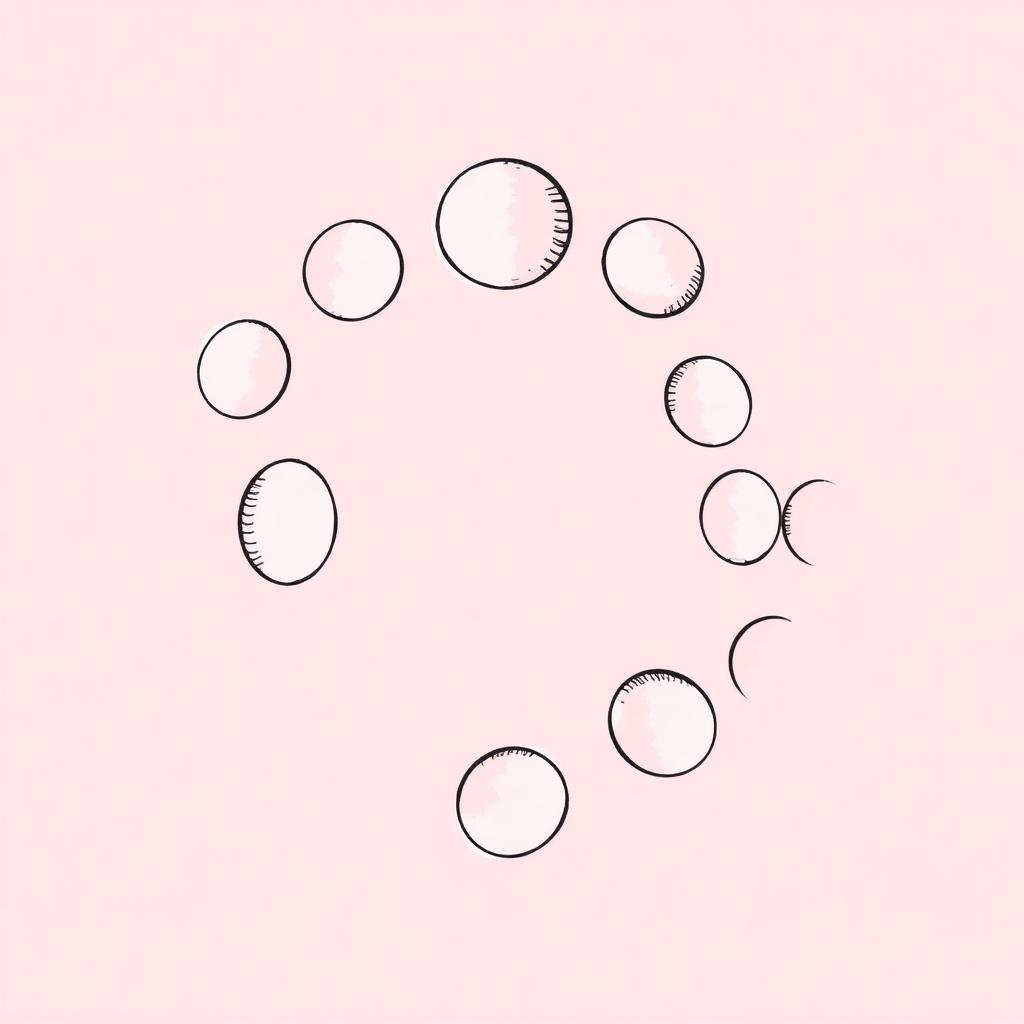
The progressed Moon, changing roughly every two and a half years, shows which need is coming to the front. A map of the cycle.
AstroKolly's content team; all calculations come from the site's own ephemeris and chart engine.
In secondary progressions, one day equals one year. The progressed Moon stays in each sign for roughly two and a half years and travels through your whole chart in about 27 to 28 years.
How to use it
- Wherever the progressed Moon sits by house, that's where your emotional energy is flowing.
- The month it changes houses tends to mark a real, tangible turning of a page in your life.
- When the progressed Moon meets your natal Sun, a new identity cycle begins.
Why one day equals one year
In secondary progressions each day after birth stands for a year of life. For your thirtieth birthday you read the sky thirty days after you were born. The technique shows inner maturation rather than outer events: transits arrive from outside, progressions grow from within.
The progressed Moon's 27-year tour
The progressed Moon spends about two and a half years in each sign and covers the whole chart in 27 to 28 years. Wherever it sits by house is where your emotional energy flows, and the month it changes houses usually coincides with a tangible turning of a page: a move, a change of relationship, a change of work.
Key moments
- Progressed Moon conjunct natal Sun: a new identity cycle.
- Progressed Moon back on natal Moon (around 27): emotional rebirth.
- Progressed New and Full Moon: the start and peak of a thirty-year cycle.
- Progressed Sun changing sign: a character shift roughly once every thirty years.
How to use it
The most practical use is to look at which houses the progressed Moon enters over the next two years and invest in those areas early. Entering the 4th prioritises home and family; entering the 10th prioritises visibility.
Transits tell you what's happening to you; progressions tell you who you're becoming.